Lanthanides ↓
57–71
Actinides ↓
89–103
There are 118 elements in the periodic table. Each one has unique superpowers!
Your body contains many different chemical elements — including oxygen, carbon, hydrogen, and calcium.
There are 118 known elements. Every element has its own atomic number.
Elements combine to make the materials, air, water, food, and living things around you.
Tap “Table,” pick an element, then open “Element” to read its simple story.

A super-light gas that makes balloons float. It does not like reacting with other elements.
Helium is found as a gas or as part of compounds in nature.
Helium and its compounds are used in science, industry, or everyday products.

A soft metal used in many rechargeable batteries, including phones and tablets.
Found in nature, useful materials, or specially made laboratory samples.
Scientists and engineers use it because of its special properties.

A light, strong metal used in special aerospace and technology parts.
Found in nature, useful materials, or specially made laboratory samples.
Scientists and engineers use it because of its special properties.

A very reactive element. Fluoride compounds are used in toothpaste to help protect teeth.
Found in nature, useful materials, or specially made laboratory samples.
Scientists and engineers use it because of its special properties.

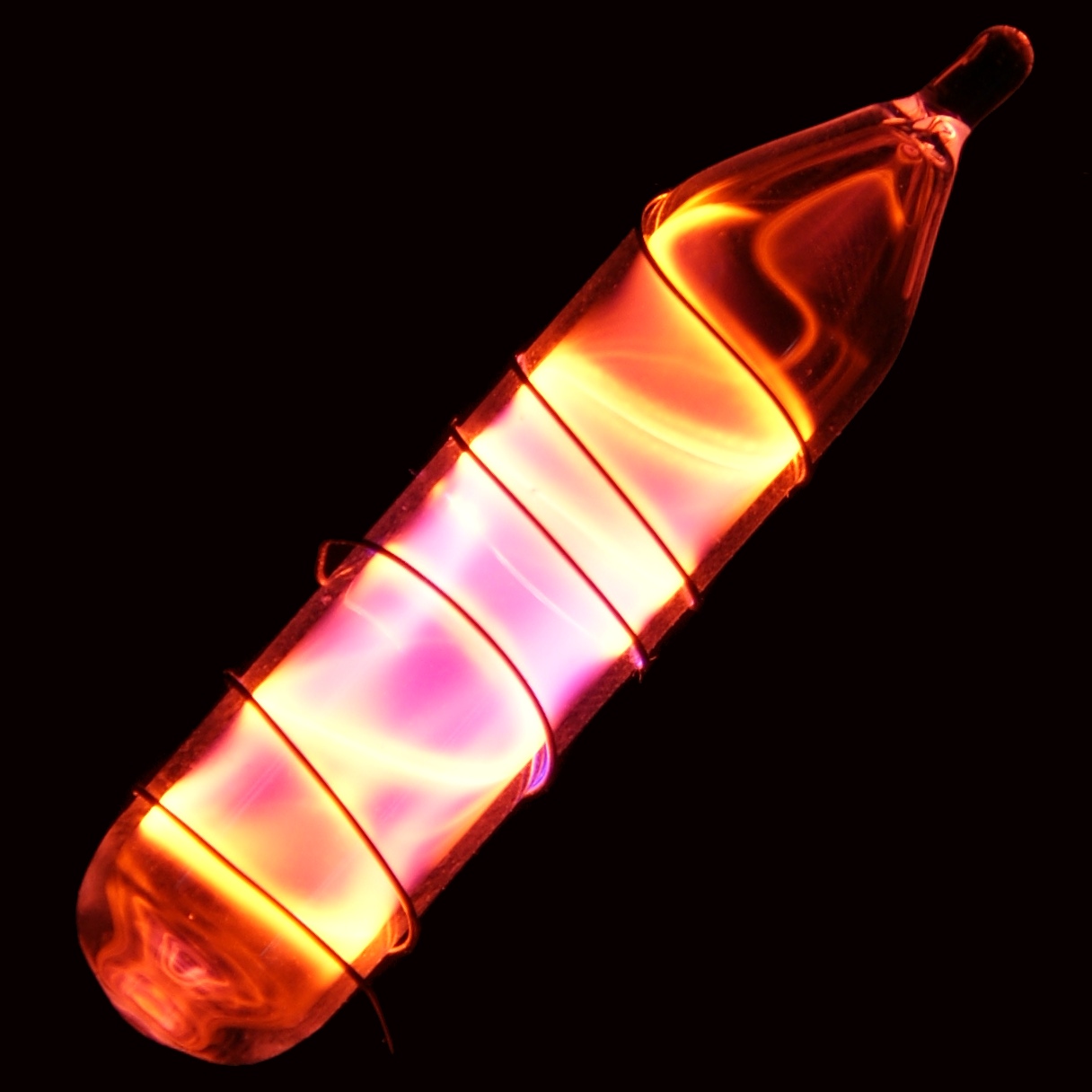
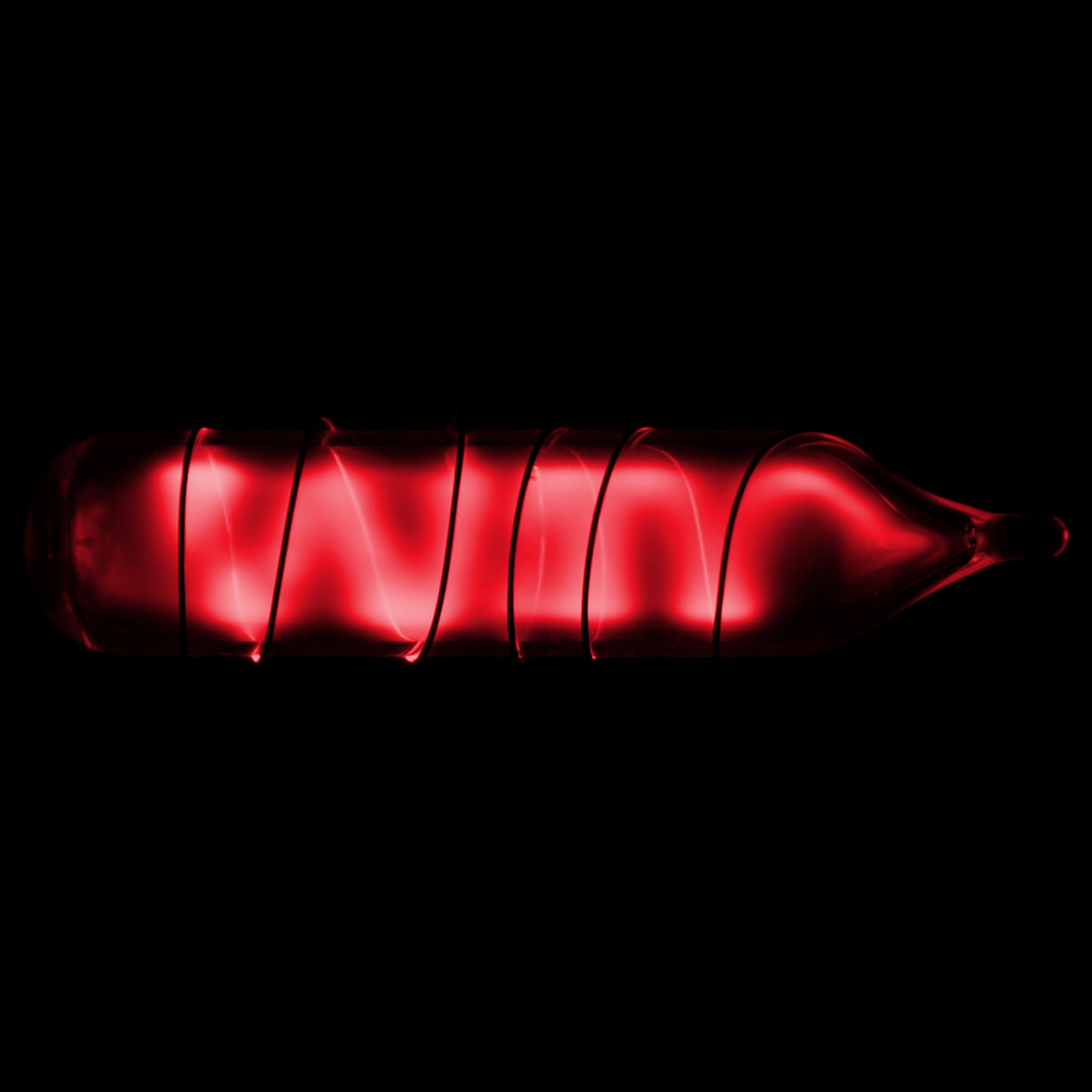
A gas famous for its bright reddish-orange glow in signs.
Found in nature, useful materials, or specially made laboratory samples.
Scientists and engineers use it because of its special properties.

A soft, reactive metal. Joined with chlorine, it helps make ordinary table salt.
Found in nature, useful materials, or specially made laboratory samples.
Scientists and engineers use it because of its special properties.

A light metal that can burn with a brilliant white light. Your body needs small amounts too.
Found in nature, useful materials, or specially made laboratory samples.
Scientists and engineers use it because of its special properties.

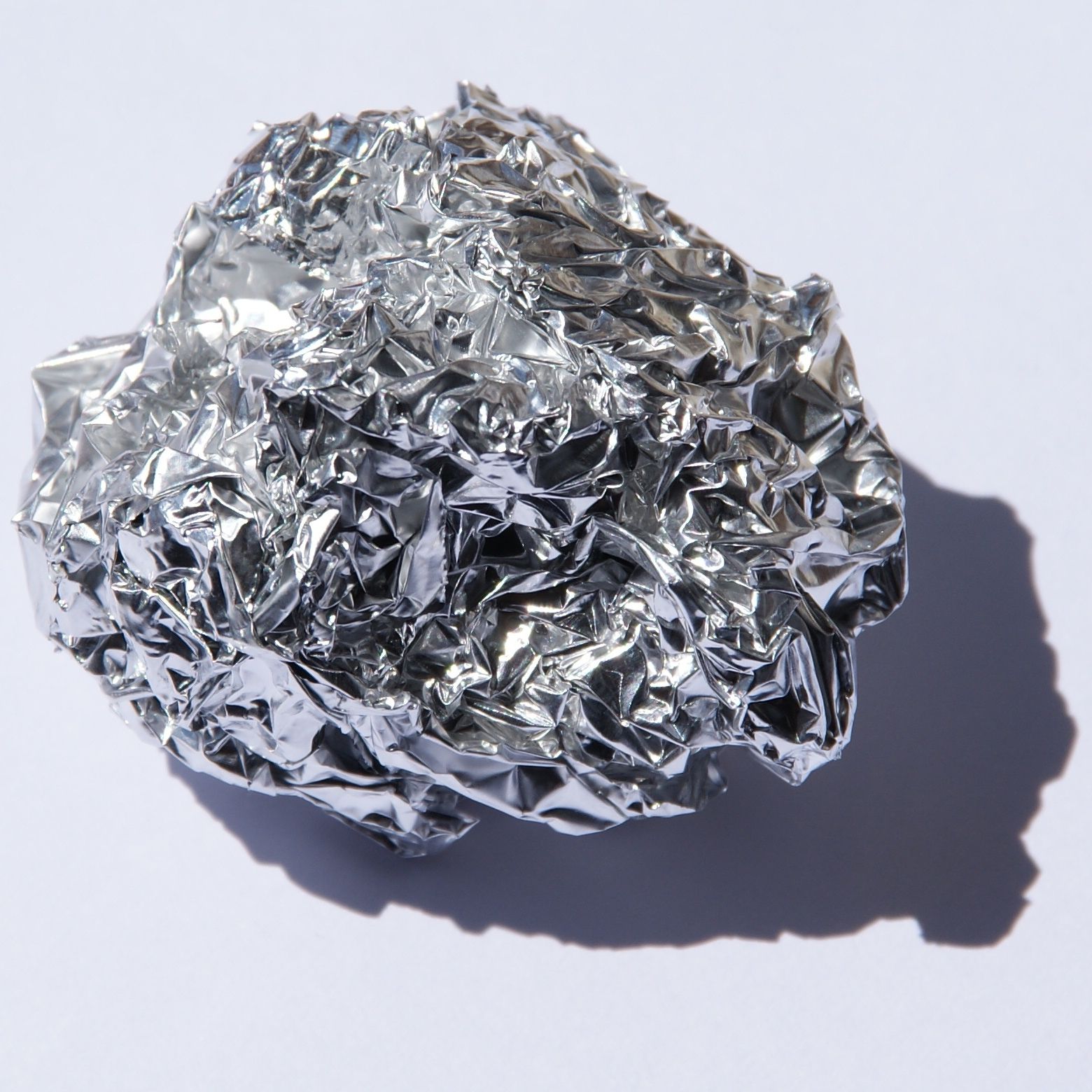
A lightweight metal used in cans, foil, bikes, buildings, and airplanes.
Found in nature, useful materials, or specially made laboratory samples.
Scientists and engineers use it because of its special properties.

A reactive gas whose compounds help disinfect pools and make table salt.
Found in nature, useful materials, or specially made laboratory samples.
Scientists and engineers use it because of its special properties.

A quiet, unreactive gas used inside some light bulbs and in welding.
Found in nature, useful materials, or specially made laboratory samples.
Scientists and engineers use it because of its special properties.

An important nutrient for nerves and muscles. Bananas are famous for containing potassium compounds.
Found in nature, useful materials, or specially made laboratory samples.
Scientists and engineers use it because of its special properties.

A key ingredient in bones and teeth. It is also found in chalk and limestone compounds.
Found in nature, useful materials, or specially made laboratory samples.
Scientists and engineers use it because of its special properties.

A lightweight metal added to some high-performance alloys, sports gear, and lamps.
Found in nature, useful materials, or specially made laboratory samples.
Scientists and engineers use it because of its special properties.

Strong, light, and corrosion-resistant — useful in aircraft, bikes, and medical implants.
Found in nature, useful materials, or specially made laboratory samples.
Scientists and engineers use it because of its special properties.

A metal that helps make steel tougher and is also used in some large batteries.
Found in nature, useful materials, or specially made laboratory samples.
Scientists and engineers use it because of its special properties.

Adds shine and rust resistance to metals. Stainless steel contains chromium.
Found in nature, useful materials, or specially made laboratory samples.
Scientists and engineers use it because of its special properties.

Used to strengthen steel and in batteries. Your body also needs tiny amounts.
Found in nature, useful materials, or specially made laboratory samples.
Scientists and engineers use it because of its special properties.

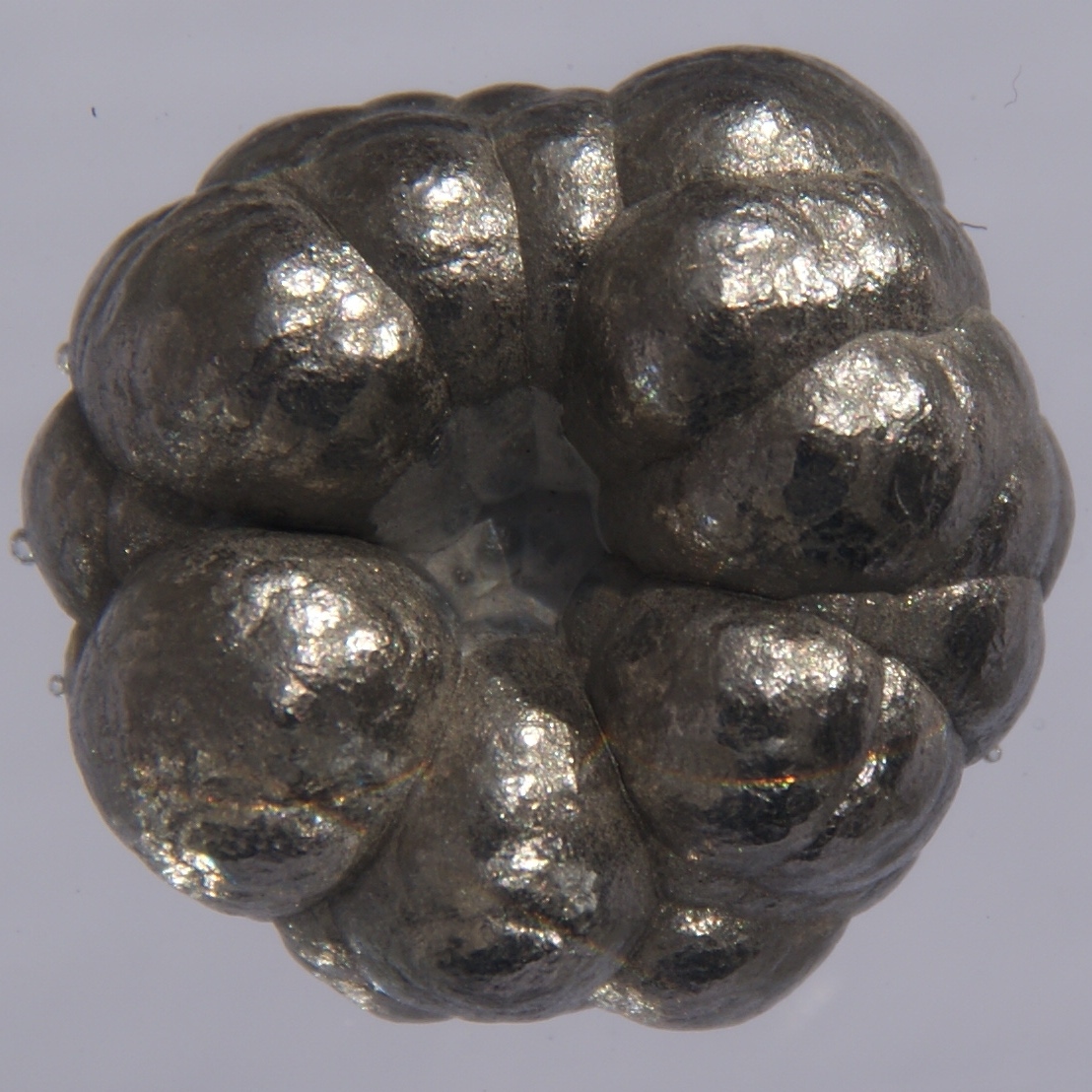
One of the most useful metals. Steel is mostly iron, and your blood uses iron to carry oxygen.
Found in nature, useful materials, or specially made laboratory samples.
Scientists and engineers use it because of its special properties.

Used in some batteries, strong alloys, and vivid blue pigments.
Found in nature, useful materials, or specially made laboratory samples.
Scientists and engineers use it because of its special properties.

A tough metal used in stainless steel, coins, batteries, and protective coatings.
Found in nature, useful materials, or specially made laboratory samples.
Scientists and engineers use it because of its special properties.

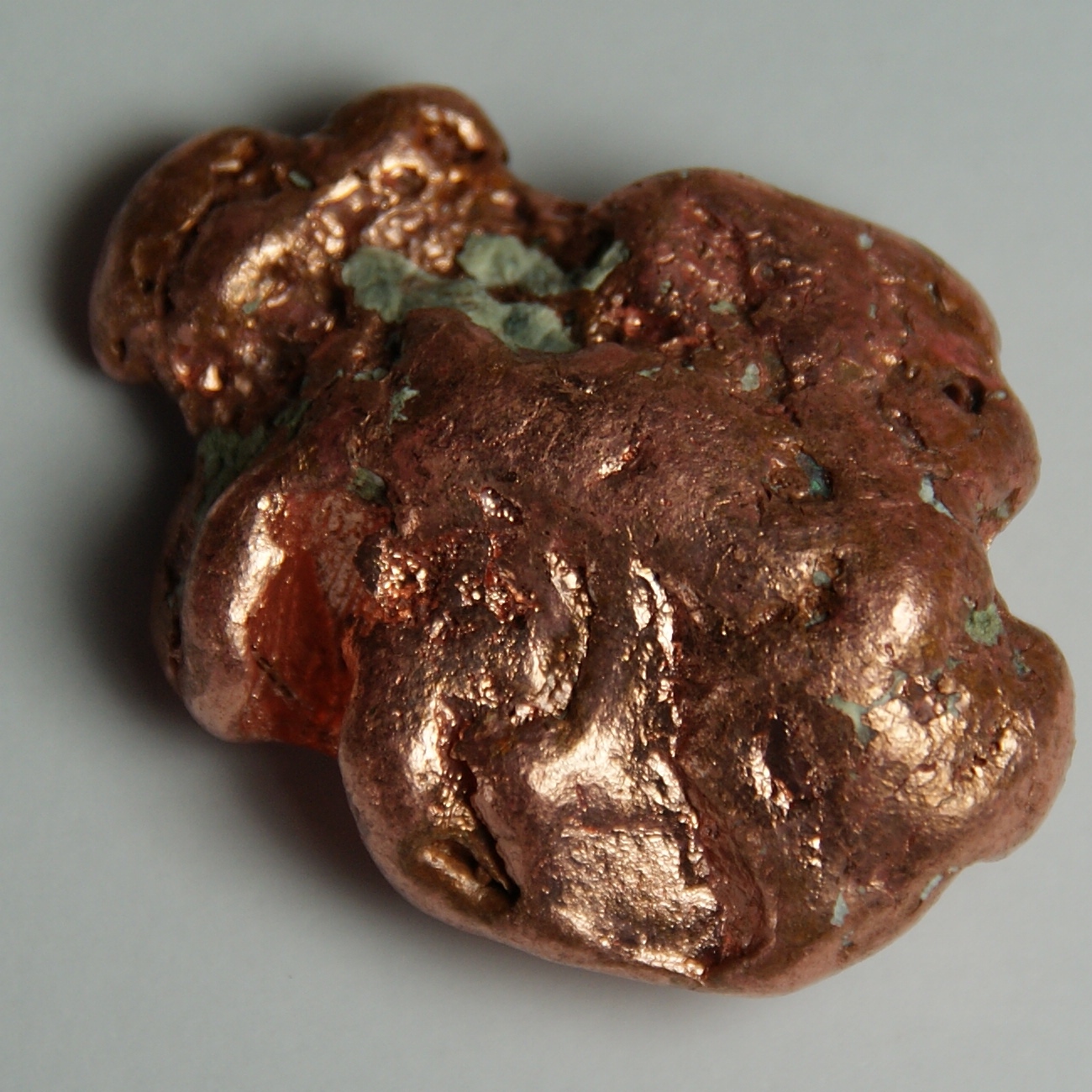
A great conductor of electricity, so it is common in wires, motors, and electronics.
Found in nature, useful materials, or specially made laboratory samples.
Scientists and engineers use it because of its special properties.

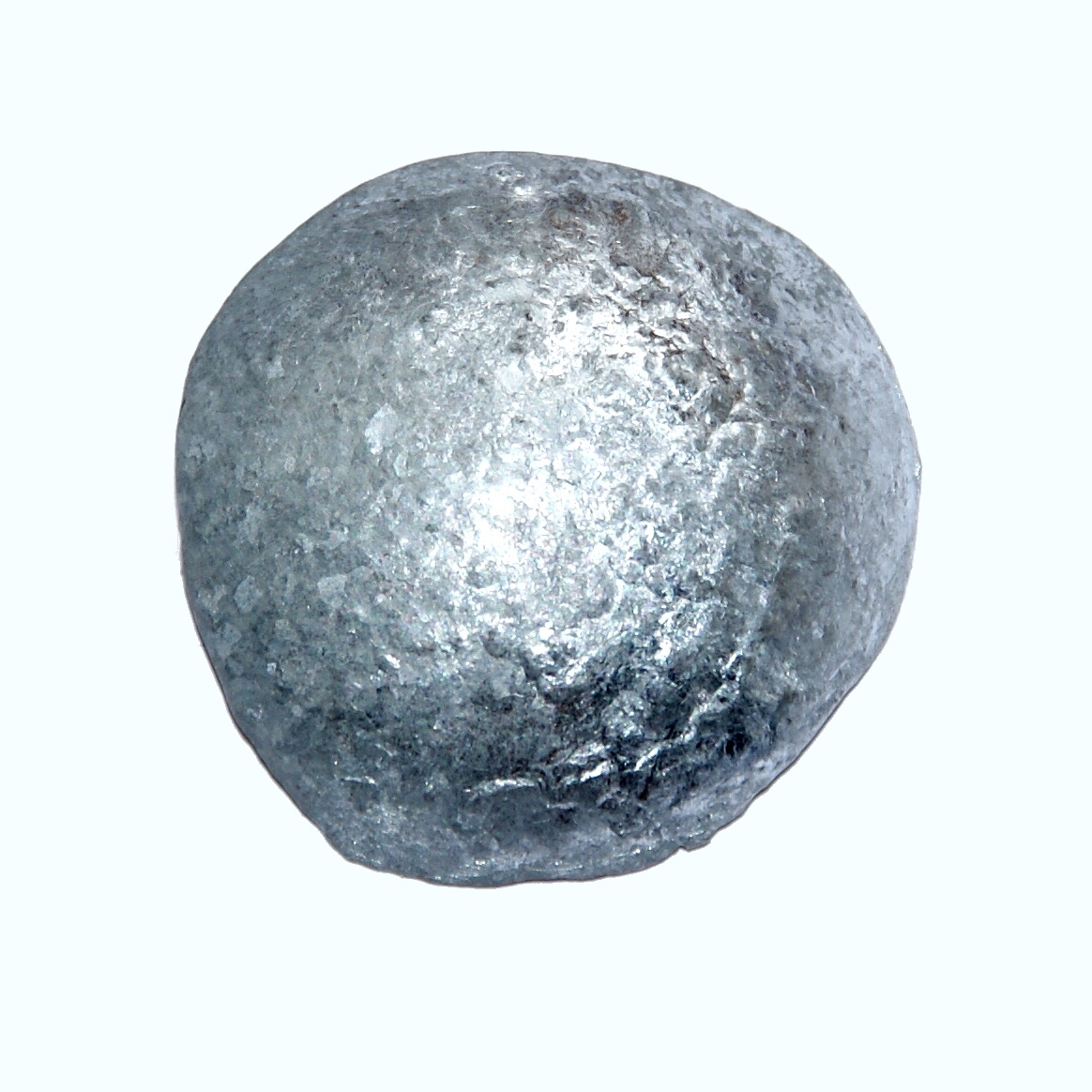
Helps protect steel from rust and is also an essential nutrient in small amounts.
Found in nature, useful materials, or specially made laboratory samples.
Scientists and engineers use it because of its special properties.

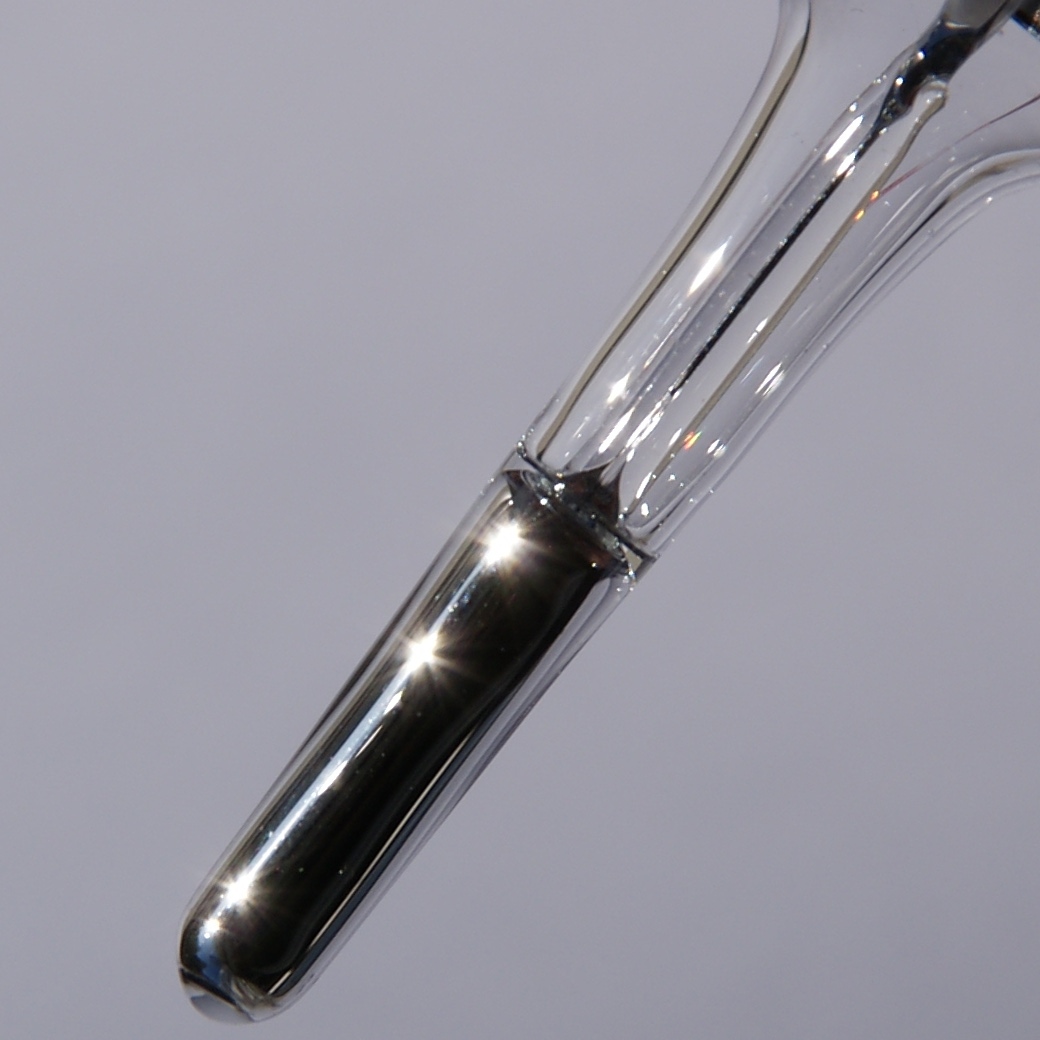
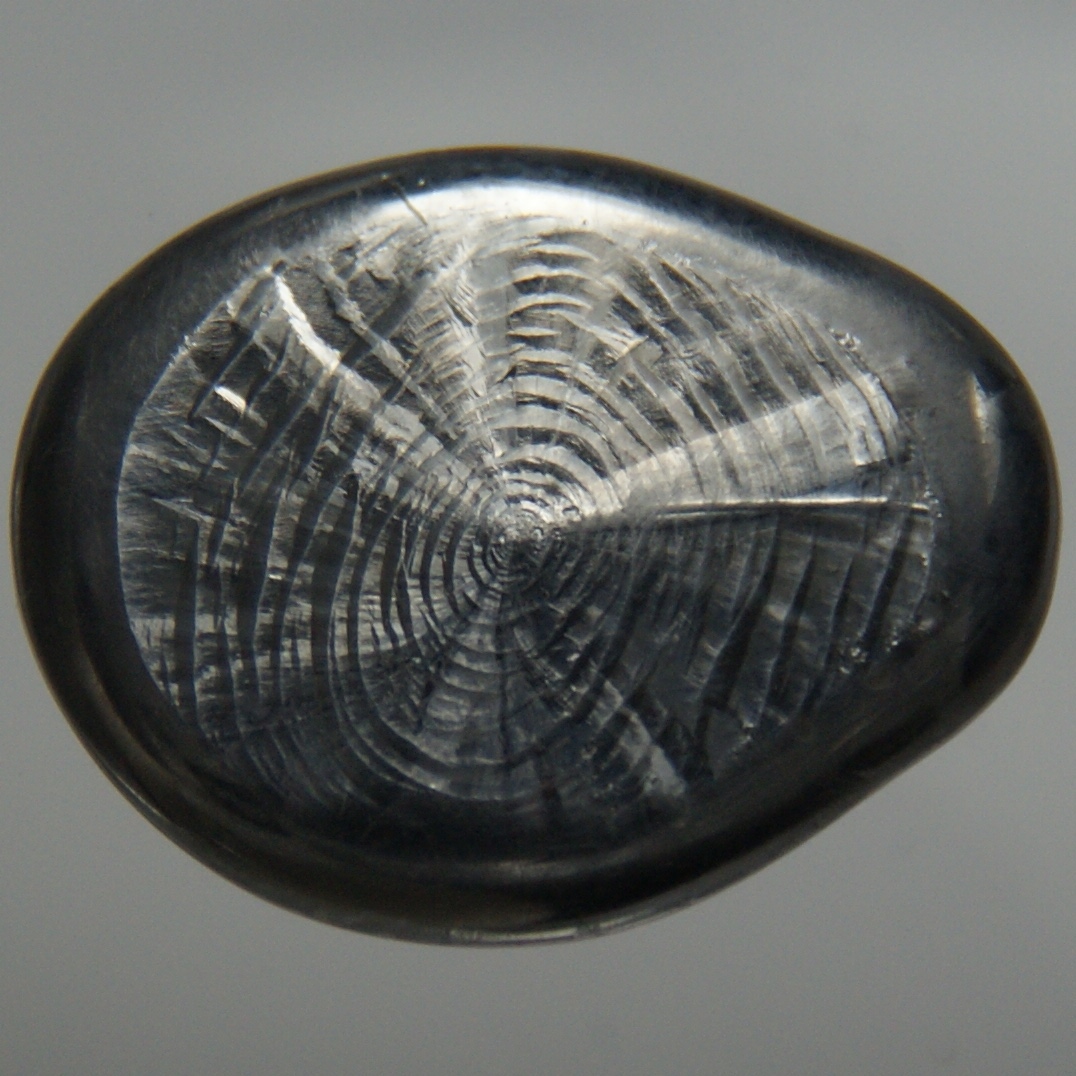
A metal that can melt in your hand because its melting point is unusually low.
Found in nature, useful materials, or specially made laboratory samples.
Scientists and engineers use it because of its special properties.

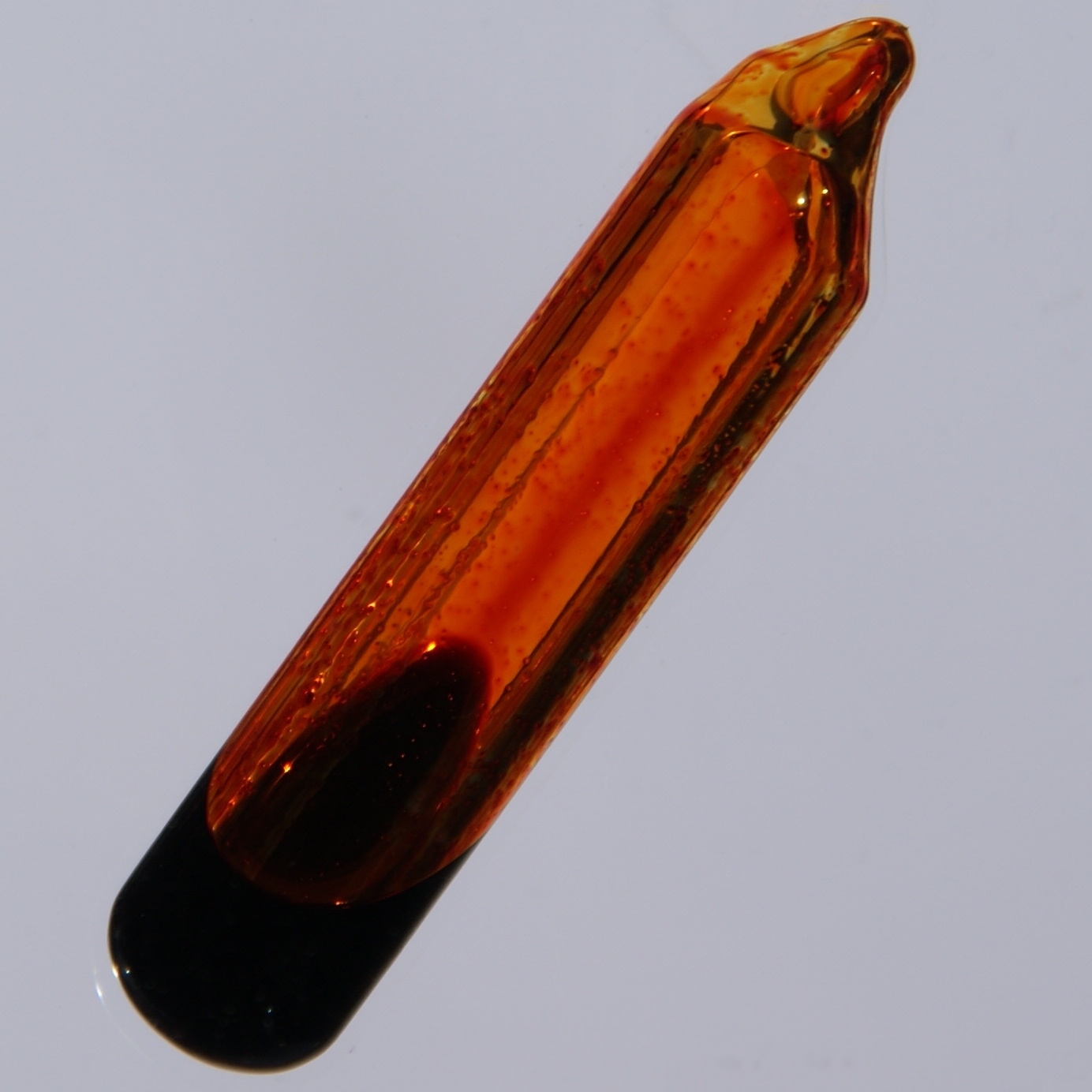
A reddish-brown liquid element. Its compounds are used in several industrial materials.
Found in nature, useful materials, or specially made laboratory samples.
Scientists and engineers use it because of its special properties.

A rare noble gas used in special lamps, flashes, and some lasers.
Found in nature, useful materials, or specially made laboratory samples.
Scientists and engineers use it because of its special properties.

A very reactive soft metal mostly used in research and specialized electronics.
Found in nature, useful materials, or specially made laboratory samples.
Scientists and engineers use it because of its special properties.

Its compounds can make bright red colors in fireworks and flares.
Found in nature, useful materials, or specially made laboratory samples.
Scientists and engineers use it because of its special properties.

Used in LEDs, lasers, ceramics, and materials that make bright red colors on screens.
Found in nature, useful materials, or specially made laboratory samples.
Scientists and engineers use it because of its special properties.

A corrosion-resistant metal used in nuclear reactors, ceramics, and medical materials.
Found in nature, useful materials, or specially made laboratory samples.
Scientists and engineers use it because of its special properties.

Helps make strong steels and superconducting magnets used in advanced machines.
Found in nature, useful materials, or specially made laboratory samples.
Scientists and engineers use it because of its special properties.

A high-temperature metal used to strengthen steel and machinery.
Found in nature, useful materials, or specially made laboratory samples.
Scientists and engineers use it because of its special properties.

The first element made artificially. Some forms are useful in medical imaging.
Found in nature, useful materials, or specially made laboratory samples.
Scientists and engineers use it because of its special properties.

A rare metal used in electronics, catalysts, and very hard metal mixtures.
Found in nature, useful materials, or specially made laboratory samples.
Scientists and engineers use it because of its special properties.

A shiny, rare metal used in catalytic converters and reflective coatings.
Found in nature, useful materials, or specially made laboratory samples.
Scientists and engineers use it because of its special properties.

Used in catalytic converters, electronics, jewelry, and hydrogen-related technology.
Found in nature, useful materials, or specially made laboratory samples.
Scientists and engineers use it because of its special properties.

A shiny metal and excellent electrical conductor used in jewelry and electronics.
Found in nature, useful materials, or specially made laboratory samples.
Scientists and engineers use it because of its special properties.

Used in some batteries and pigments, but cadmium can be toxic.
Found in nature, useful materials, or specially made laboratory samples.
Scientists and engineers use it because of its special properties.

A soft metal used in touchscreens, flat-panel displays, and special solders.
Found in nature, useful materials, or specially made laboratory samples.
Scientists and engineers use it because of its special properties.

A soft metal used in solder and protective coatings. “Tin cans” are usually steel coated with tin.
Found in nature, useful materials, or specially made laboratory samples.
Scientists and engineers use it because of its special properties.

Your thyroid needs a tiny amount of iodine. It is often added to table salt.
Found in nature, useful materials, or specially made laboratory samples.
Scientists and engineers use it because of its special properties.

A heavy noble gas used in bright lamps, camera flashes, and some spacecraft engines.
Found in nature, useful materials, or specially made laboratory samples.
Scientists and engineers use it because of its special properties.

A very reactive metal. Caesium atomic clocks are extremely accurate timekeepers.
Found in nature, useful materials, or specially made laboratory samples.
Scientists and engineers use it because of its special properties.

Its compounds can make green fireworks and help doctors see parts of the digestive system on X-rays.
Found in nature, useful materials, or specially made laboratory samples.
Scientists and engineers use it because of its special properties.

Used in camera lenses, batteries, catalysts, and special glass.
Usually found in minerals or made in specialized laboratories.
Mostly used in advanced technology, energy, medicine, or scientific research.

Used in lighter flints, glass polishing, catalysts, and some alloys.
Usually found in minerals or made in specialized laboratories.
Mostly used in advanced technology, energy, medicine, or scientific research.

Used in strong magnets, aircraft alloys, and colored glass.
Usually found in minerals or made in specialized laboratories.
Mostly used in advanced technology, energy, medicine, or scientific research.

Famous for making extremely strong permanent magnets used in headphones and electric motors.
Usually found in minerals or made in specialized laboratories.
Mostly used in advanced technology, energy, medicine, or scientific research.

A radioactive element with no stable form. It is mainly used in research and specialized devices.
Usually found in minerals or made in specialized laboratories.
Mostly used in advanced technology, energy, medicine, or scientific research.

Used in strong magnets, lasers, and some nuclear technology.
Usually found in minerals or made in specialized laboratories.
Mostly used in advanced technology, energy, medicine, or scientific research.

Helps make bright red and blue colors in screens, lamps, and security markings.
Usually found in minerals or made in specialized laboratories.
Mostly used in advanced technology, energy, medicine, or scientific research.

Used in MRI contrast agents, magnets, and neutron-absorbing materials.
Usually found in minerals or made in specialized laboratories.
Mostly used in advanced technology, energy, medicine, or scientific research.

Used to create green light in displays and in some high-tech magnets.
Usually found in minerals or made in specialized laboratories.
Mostly used in advanced technology, energy, medicine, or scientific research.

Helps high-strength magnets keep working at hot temperatures.
Usually found in minerals or made in specialized laboratories.
Mostly used in advanced technology, energy, medicine, or scientific research.

A rare metal used in specialized lasers and strong magnetic materials.
Usually found in minerals or made in specialized laboratories.
Mostly used in advanced technology, energy, medicine, or scientific research.

Used in fiber-optic communication and can give glass a pink color.
Usually found in minerals or made in specialized laboratories.
Mostly used in advanced technology, energy, medicine, or scientific research.

One of the rarest rare-earth elements, used in some lasers and portable X-ray devices.
Usually found in minerals or made in specialized laboratories.
Mostly used in advanced technology, energy, medicine, or scientific research.

Used in lasers, research, and alloys.
Usually found in minerals or made in specialized laboratories.
Mostly used in advanced technology, energy, medicine, or scientific research.

A dense rare-earth metal used in medical scanners, catalysts, and research.
Usually found in minerals or made in specialized laboratories.
Mostly used in advanced technology, energy, medicine, or scientific research.

A heat-resistant metal used in nuclear control rods, superalloys, and microchips.
Found in nature, useful materials, or specially made laboratory samples.
Scientists and engineers use it because of its special properties.

Very corrosion-resistant and used in tiny capacitors inside phones and electronics.
Found in nature, useful materials, or specially made laboratory samples.
Scientists and engineers use it because of its special properties.

The metal with the highest melting point, useful in hard tools and high-temperature parts.
Found in nature, useful materials, or specially made laboratory samples.
Scientists and engineers use it because of its special properties.

A very rare metal used in superalloys for jet engines.
Found in nature, useful materials, or specially made laboratory samples.
Scientists and engineers use it because of its special properties.

One of the densest elements. It is used in very hard alloys and specialized instruments.
Found in nature, useful materials, or specially made laboratory samples.
Scientists and engineers use it because of its special properties.

An extremely corrosion-resistant metal used in spark plugs and special equipment.
Found in nature, useful materials, or specially made laboratory samples.
Scientists and engineers use it because of its special properties.

A valuable, corrosion-resistant metal used in jewelry, catalysts, and laboratory equipment.
Found in nature, useful materials, or specially made laboratory samples.
Scientists and engineers use it because of its special properties.

A soft, shiny metal prized for jewelry and also used in electronics because it resists corrosion.
Found in nature, useful materials, or specially made laboratory samples.
Scientists and engineers use it because of its special properties.

A metal that is liquid at room temperature. Mercury is toxic and must be handled carefully.
Found in nature, useful materials, or specially made laboratory samples.
Scientists and engineers use it because of its special properties.

A soft, toxic metal used in some electronics, optics, and research.
Found in nature, useful materials, or specially made laboratory samples.
Scientists and engineers use it because of its special properties.

A dense metal used in car batteries and radiation shielding. Lead is toxic.
Found in nature, useful materials, or specially made laboratory samples.
Scientists and engineers use it because of its special properties.

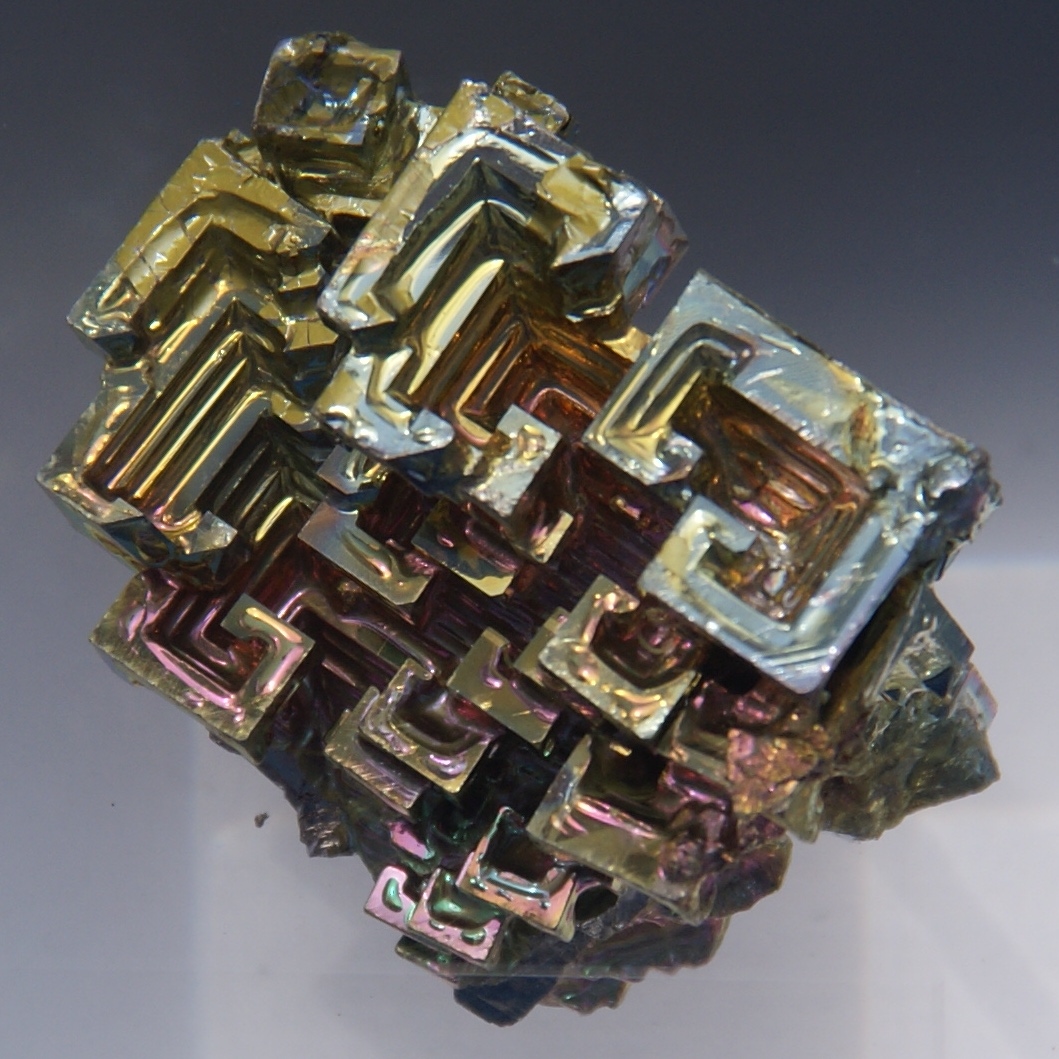
A heavy metal used in some medicines, cosmetics, and low-melting alloys.
Found in nature, useful materials, or specially made laboratory samples.
Scientists and engineers use it because of its special properties.

A rare and highly radioactive element discovered by Marie and Pierre Curie.
Found in nature, useful materials, or specially made laboratory samples.
Scientists and engineers use it because of its special properties.

An extremely rare radioactive element. Scientists mainly study tiny amounts of it.
Found in nature, useful materials, or specially made laboratory samples.
Scientists and engineers use it because of its special properties.

A radioactive noble gas that can naturally seep from the ground into buildings.
Found in nature, useful materials, or specially made laboratory samples.
Scientists and engineers use it because of its special properties.

An extremely rare radioactive metal that exists only in tiny natural amounts.
Found in nature, useful materials, or specially made laboratory samples.
Scientists and engineers use it because of its special properties.

A radioactive metal once used in glowing paint. It is hazardous and now tightly controlled.
Found in nature, useful materials, or specially made laboratory samples.
Scientists and engineers use it because of its special properties.

A radioactive metal used mostly in research, with some promising medical applications.
Usually found in minerals or made in specialized laboratories.
Mostly used in advanced technology, energy, medicine, or scientific research.

A naturally radioactive metal studied as a possible nuclear fuel.
Usually found in minerals or made in specialized laboratories.
Mostly used in advanced technology, energy, medicine, or scientific research.

A rare, radioactive metal mostly important to scientific research.
Usually found in minerals or made in specialized laboratories.
Mostly used in advanced technology, energy, medicine, or scientific research.

A heavy radioactive element used as fuel in many nuclear power plants.
Usually found in minerals or made in specialized laboratories.
Mostly used in advanced technology, energy, medicine, or scientific research.

A radioactive element made in nuclear reactors and used mainly for research.
Usually found in minerals or made in specialized laboratories.
Mostly used in advanced technology, energy, medicine, or scientific research.

A radioactive element used in some nuclear fuel and spacecraft power systems.
Usually found in minerals or made in specialized laboratories.
Mostly used in advanced technology, energy, medicine, or scientific research.

A tiny amount of americium is used in many ionization smoke detectors.
Usually found in minerals or made in specialized laboratories.
Mostly used in advanced technology, energy, medicine, or scientific research.

A radioactive element made in reactors, mostly used for research.
Usually found in minerals or made in specialized laboratories.
Mostly used in advanced technology, energy, medicine, or scientific research.

A man-made radioactive element produced only in very small amounts for research.
Usually found in minerals or made in specialized laboratories.
Mostly used in advanced technology, energy, medicine, or scientific research.

A powerful neutron source used in research and some industrial applications.
Usually found in minerals or made in specialized laboratories.
Mostly used in advanced technology, energy, medicine, or scientific research.

A man-made radioactive element named after Albert Einstein.
Usually found in minerals or made in specialized laboratories.
Mostly used in advanced technology, energy, medicine, or scientific research.

A man-made radioactive element named after physicist Enrico Fermi.
Usually found in minerals or made in specialized laboratories.
Mostly used in advanced technology, energy, medicine, or scientific research.

A man-made radioactive element named after periodic-table pioneer Dmitri Mendeleev.
Usually found in minerals or made in specialized laboratories.
Mostly used in advanced technology, energy, medicine, or scientific research.

A man-made radioactive element named after Alfred Nobel.
Usually found in minerals or made in specialized laboratories.
Mostly used in advanced technology, energy, medicine, or scientific research.

A man-made radioactive element named after physicist Ernest Lawrence.
Usually found in minerals or made in specialized laboratories.
Mostly used in advanced technology, energy, medicine, or scientific research.

A superheavy man-made element named after Ernest Rutherford. Only tiny amounts have ever existed.
Found in nature, useful materials, or specially made laboratory samples.
Scientists and engineers use it because of its special properties.

A short-lived superheavy element made atom by atom in laboratories.
Found in nature, useful materials, or specially made laboratory samples.
Scientists and engineers use it because of its special properties.

A superheavy laboratory-made element named after chemist Glenn Seaborg.
Found in nature, useful materials, or specially made laboratory samples.
Scientists and engineers use it because of its special properties.

A short-lived superheavy element named after physicist Niels Bohr.
Found in nature, useful materials, or specially made laboratory samples.
Scientists and engineers use it because of its special properties.

A superheavy lab-made element. Scientists have created only small numbers of atoms.
Found in nature, useful materials, or specially made laboratory samples.
Scientists and engineers use it because of its special properties.

A superheavy synthetic element named after physicist Lise Meitner.
Usually found in minerals or made in specialized laboratories.
Mostly used in advanced technology, energy, medicine, or scientific research.

A superheavy element first made in Darmstadt, Germany.
Usually found in minerals or made in specialized laboratories.
Mostly used in advanced technology, energy, medicine, or scientific research.

A superheavy synthetic element named after X-ray discoverer Wilhelm Röntgen.
Usually found in minerals or made in specialized laboratories.
Mostly used in advanced technology, energy, medicine, or scientific research.

A superheavy synthetic element named after astronomer Nicolaus Copernicus.
Found in nature, useful materials, or specially made laboratory samples.
Scientists and engineers use it because of its special properties.

A superheavy synthetic element whose name comes from “Nihon,” a name for Japan.
Found in nature, useful materials, or specially made laboratory samples.
Scientists and engineers use it because of its special properties.

A superheavy synthetic element named for the Flerov Laboratory of Nuclear Reactions.
Found in nature, useful materials, or specially made laboratory samples.
Scientists and engineers use it because of its special properties.

A superheavy synthetic element named after the Moscow region.
Found in nature, useful materials, or specially made laboratory samples.
Scientists and engineers use it because of its special properties.

A superheavy synthetic element named after Lawrence Livermore National Laboratory.
Found in nature, useful materials, or specially made laboratory samples.
Scientists and engineers use it because of its special properties.

A superheavy synthetic element named after Tennessee, a center of element research.
Found in nature, useful materials, or specially made laboratory samples.
Scientists and engineers use it because of its special properties.

The heaviest named element. It exists for only a very short time after being made in a lab.
Found in nature, useful materials, or specially made laboratory samples.
Scientists and engineers use it because of its special properties.